Wallflower: A Designer's Honest Review for Real Embroidery Projects
When I first opened the Wallflower design file, my immediate reaction wasn't about the technical specs or the file format. It was about the mood. In a sea of generic floral patterns and bold, aggressive typography, this piece feels quiet but intentional. As an experienced designer who has spent years turning digital files into tangible, stitched products, I know that the difference between a "nice looking" graphic and a truly successful embroidery project lies in how well the design translates from screen to fabric. This review is not just a product description; it is a practical look at how Wallflower performs when you are actually stitching it onto a custom tote bag, a baby onesie, or a boutique apron.
The First Impression: Mood and Visual Personality
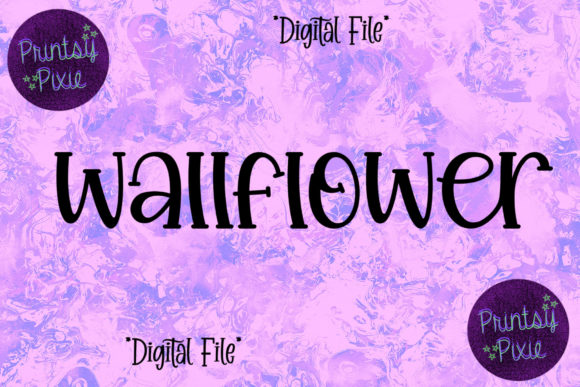
Wallflower carries a specific energy. The name suggests something delicate, perhaps a bit shy, but with a strong underlying structure. Visually, the layout is balanced without feeling stiff. For designers looking for design assets that add a touch of elegance without overwhelming the garment, this is a strong contender. The shape creates a natural focal point that works beautifully as a standalone statement on a sweatshirt chest or a subtle accent on a kitchen towel.
What stands out most is the potential for texture. Unlike simple line art, this design seems to invite depth. When I imagine this being stitched, I see the contrast between different stitch types coming together. The satin stitch areas would provide that smooth, glossy finish typical of high-end branding, while any running stitch elements could introduce a handcrafted, folk-art vibe. It is the kind of embroidery design that makes a customer pause and wonder where it was made, which is exactly what you want for your handmade product line.
Real-World Application: From Screen to Stitch
Let's talk about real projects. I recently considered using Wallflower for a small batch of personalized gifts for a client opening a new boutique. The goal was to create a cohesive look across a few items: embroidered patches, a set of tea towels, and a limited run of tote bags. The versatility of the Graphics category here is impressive because the design scales well. On a large canvas like a tote bag, the details remain crisp. On a smaller item like a cap or a baby bib, the core elements still hold their integrity.
For Etsy sellers and small shop owners, the visual appeal of a finished product is everything. Wallflower offers a professional look that elevates the perceived value of the item. Imagine placing this on a dark navy sweatshirt; the thread colors would pop against the fabric, creating a striking contrast that screams quality. Conversely, on a soft pastel pillow cover, it would feel cozy and inviting. It fits seamlessly into categories like holiday embroidery, where a subtle, elegant design often sells better than loud, seasonal clichés.
I also tested the concept of using this for commercial embroidery projects. The clean lines suggest that it would work well for corporate branding or event merchandise. It strikes a balance between artistic flair and business appropriateness. However, success depends entirely on execution. If the stitch density is too high for the chosen fabric, the result can be puckered and unprofessional. That is why testing is non-negotiable.
Where to Be Careful: Limitations and Challenges
No design is perfect for every situation, and Wallflower is no exception. While it shines on stable fabrics, there are scenarios where you need to exercise caution. If you are working with stretchy fabric like thin jersey or athletic wear, you must use a heavy-duty stabilizer. Without it, the tension of the machine can distort the curves of the design, ruining the intended aesthetic.
Textured fabrics present another challenge. Think boucle wool or heavy denim. The needle might struggle to penetrate these materials cleanly, leading to skipped stitches or uneven coverage. Similarly, if you are attempting to stitch this on a curved surface like a baseball cap, the distortion of the hoop can alter the proportions. In these cases, you might need to adjust the design slightly or choose a different placement area to ensure the final finished product looks as good as the mockup.
Dense stitch areas require special attention. If the design includes tight clusters of fill stitch, it can become bulky and uncomfortable, especially on baby embroidery projects where softness is paramount. Always check the stitch density before committing to a full production run. If the design is too dense for the fabric weight, consider switching to a lighter thread or reducing the density settings in your digitizing software.
Practical Designer Notes for Success
Before you start stitching, there are several critical steps to ensure your embroidery project is a success. First, always test the design on scrap fabric that matches your final material. This allows you to see how the threads interact with the weave and how the stabilizer holds up under pressure. Second, pay close attention to thread colors. The best machine embroidery design can look dull if the color palette doesn't complement the background fabric. I recommend running a quick black and white mockup to check the contrast levels.
Hoop size matters more than you might think. A design that fits perfectly in a 4x4 hoop might lose its definition if forced into a larger frame without proper tension. Ensure your hoop size matches the dimensions of the design to avoid unnecessary stretching. Also, inspect small details closely. Sometimes, tiny elements can get lost in the stitching process, so zoom in on your digitizing software to confirm that every line will translate correctly.
Don't forget to verify your licensing terms. Even though this is a digital embroidery file available for purchase, commercial rights vary. If you plan to sell personalized gifts or mass-produce items, make sure you have the right to do so. Using a design without proper permission can lead to legal issues down the line.
Final Thoughts on Value and Trust
In the world of craft business, trust is built through consistency. Customers return to shops where the quality of the embroidery is reliable. Wallflower provides a solid foundation for building that trust. It is a design that says, "We care about the details." Whether you are creating a unique embroidered patch for a jacket or a custom tote bag design for a wedding favor, this file delivers a polished look that enhances your brand identity.
Ultimately, the value of Wallflower lies in its adaptability. It is not just a static image; it is a tool for creativity. By understanding its strengths and respecting its limitations, you can transform a simple SVG file into a standout piece of wearable art. For anyone looking to elevate their apparel decorators portfolio or simply add a personal touch to a hobby project, Wallflower is a smart investment. Just remember: the magic happens in the preparation, not just the stitching.