Stay Positive: A Designer's Review for Real Embroidery Work
When I first opened the file for Stay Positive, my initial reaction was a mix of relief and curiosity. In a market flooded with generic motivational quotes, finding a design that feels fresh enough to stand out on a custom product is rare. As someone who spends hours troubleshooting stitch density and evaluating how text translates from a digital screen to a stitched fabric, I approach every new download with a critical eye. This isn't just another graphic; it is a potential cornerstone for a handmade collection or a personalized gift that actually resonates with the wearer.
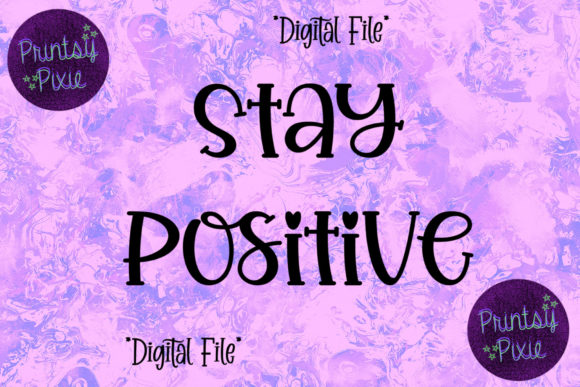
The mood of this piece is undeniably uplifting, but what matters most to me as an embroidery designer is the execution. The layout feels balanced, avoiding the cluttered look that often plagues mass-produced inspirational designs. It has a clean visual personality that suggests it belongs in spaces where comfort and encouragement are key. Whether you are building a boutique brand or creating a one-of-a-kind baby item, the shape and theme of Stay Positive offer a versatility that few other files provide. It strikes a chord between professional polish and approachable warmth, making it suitable for everything from high-end corporate gifts to cozy nursery decor.
From Digital File to Finished Product
Let's talk about the practical reality of bringing this design to life. I recently simulated a project scenario where I needed a statement piece for a custom embroidered tote bag intended for a local craft fair. The goal was to create something that would catch a customer's eye without overwhelming the natural texture of the canvas. When I loaded the Stay Positive file into my digitizing software, the pathing looked promising. The curves of the letters seemed designed to flow naturally across the fabric grain, which is crucial for maintaining the integrity of the stitching on a flexible surface like a tote.
In real-world application, the performance of this design depends heavily on your setup. If you are planning to use this for sweatshirt embroidery or apparel decoration, the design's simplicity allows it to shine against textured fabrics like fleece or heavy cotton blends. However, if you intend to use it for baby embroidery on delicate muslin or thin jersey, you must be mindful of the stitch density. Dense areas can sometimes cause puckering on lightweight materials, so testing on scrap fabric is not just a suggestion—it is a necessity. I found that when paired with a soft, pastel thread palette, the design took on a gentle, nurturing quality perfect for nursery pillows or infant bodysuits.
For those selling finished goods on platforms like Etsy, the visual appeal of the final product is paramount. A well-executed embroidery project builds trust with buyers. When a customer sees a crisp, clear Stay Positive motif on a kitchen towel or a pillow cover, they immediately perceive value. The design does not look cheap or pixelated; instead, it conveys a sense of care and attention to detail. This level of professionalism is what separates a hobbyist's garage sale item from a legitimate small business product. It enhances the brand consistency of your shop, ensuring that your customers recognize your style even before they read your logo.
Navigating Fabric and Surface Challenges
While the design is robust, no single file works perfectly on every surface without adjustment. There are specific scenarios where you need to exercise caution. For instance, applying this to a curved surface like a baseball cap requires precise hooping techniques. The tension on the front panel of a hat can distort lettering if the stabilizer is not chosen correctly. Similarly, on dark fabric, the contrast of the threads becomes the primary factor in legibility. If the design relies on fine lines or tiny details, you might find that these elements get lost against a black background unless you select high-contrast, thick threads.
Another area to watch is small hoop sizes. If you are working on items like aprons with limited space or patches that need to be compact, the intricate corners of the letters might require simplification. Some machine embroidery designs struggle when compressed too tightly, leading to thread breaks or missed stitches. Before committing to a full production run, I strongly recommend inspecting the stitch density in your software. Look for areas where fill stitches overlap excessively, as these can create stiff, uncomfortable spots on garments that will be worn frequently.
Furthermore, consider the end-use of the item. If you are creating a holiday gift or a wedding gift that will see frequent washing, the durability of the embroidery file is critical. Designs with excessive running stitch or very loose satin stitches may fray over time. The Stay Positive design appears to have a solid structure, but verifying the stability of the edges on your specific machine and fabric combination is the only way to guarantee longevity. This is especially true for commercial embroidery projects where returns due to poor quality can damage your reputation.
Practical Notes for the Creative Entrepreneur
To ensure your finished product meets the highest standards, here are some essential steps to take before you start stitching:
- Test on Scrap Fabric: Always run a test stitch on a piece of the same material you plan to use for the final item. This helps you gauge tension and thread coverage.
- Check Thread Colors: Evaluate how different thread colors interact with your fabric. A color that looks vibrant on a screen might appear dull on a textured weave.
- Review Stabilizer Choices: Proper stabilization is the backbone of any successful embroidery project. Use cut-away stabilizers for stretchy fabrics and tear-away for stable wovens to prevent distortion.
- Inspect Small Details: Zoom in on the SVG File preview to ensure there are no tiny, isolated shapes that might fail during stitching.
- Mockup Testing: Create black and white mockups to check the balance of the design. Sometimes removing color reveals structural weaknesses in the layout.
- Licensing Verification: Confirm whether the license allows for commercial use. If you are a craft business owner or Etsy seller, you need to know if you can sell the finished items or if the rights are restricted to personal use.
Ultimately, the decision to use Stay Positive comes down to how well it fits your specific vision. It is a versatile asset that can elevate a simple tote bag design into a meaningful keepsake or transform a plain cap into a statement piece. By paying attention to the nuances of fabric texture, hoop size, and stitch density, you can ensure that the final result is as inspiring as the message itself. For designers looking to add a touch of positivity to their portfolio, this design offers a reliable foundation for creating products that people genuinely want to wear and display.
Whether you are crafting a personalized gift for a loved one or developing a line of small shop products for your online store, the effort you put into the execution determines the success of the outcome. Take the time to understand the mechanics of the file, respect the limitations of the materials, and let your creativity guide the process. With careful preparation, Stay Positive can become more than just a graphic in the Graphics category; it can be the heart of a cherished handmade product.