Big Sister to Be: A Designer's Real-World Embroidery Review
As a designer who has spent years stitching, testing, and refining digital assets for real-world production, I approach every new download with a mix of excitement and skepticism. You are not just buying a file; you are investing in the future appearance of a product that will sit on a customer's shelf or hang on a nursery wall. Today, I am evaluating Big Sister to Be, a design categorized under Crafts and Graphics, to determine if it holds up when moved from a digital preview to a physical embroidery machine.
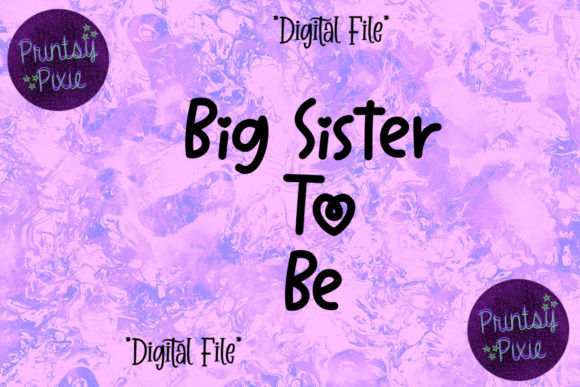
The first impression of Big Sister to Be is one of immediate warmth. The layout suggests a celebratory moment, likely intended for a baby shower gift or a sibling reveal. Visually, it strikes a balance between playful and professional. It does not scream "cheap print"; instead, it feels like a thoughtful addition to a handmade collection. When I opened the files, which include an SVG File and a Transparent Image File compatible with Cricut Design Space and Silhouette, my mind immediately went to how these vectors would translate into thread. The shapes appear clean, but the true test lies in the stitch density and how the text interacts with the surrounding graphics during the actual stitching process.
From Digital Vector to Threaded Reality
Transitioning a design from a screen to fabric requires more than just hitting the start button. With Big Sister to Be, the challenge is ensuring that the lettering remains legible after the satin stitches have been applied. In my experience, designs meant for custom apparel often fail because the spacing between letters is too tight for the machine to handle without puckering the fabric. This design seems to offer enough breathing room, which is crucial for maintaining the integrity of the message.
I envision this design primarily on soft, medium-weight fabrics. A sweatshirt embroidery project using this file would look fantastic, offering a cozy, sentimental vibe perfect for holiday gifts or family reunions. However, placing it on a tote bag design requires a different approach. Canvas can be unforgiving, and the stabilizer choice becomes paramount here. If you are an Etsy seller looking to create personalized products, this design fits well within the niche of boutique branding. It adds a touch of personality that customers are willing to pay a premium for, provided the finish is crisp.
The inclusion of a Transparent Image File is a significant plus for those creating printable mockups. As a designer, I know that showing a potential buyer what their custom item will look like before they commit is essential for sales conversion. Using this transparent asset allows you to layer the design over various garment colors in your marketing materials without fighting against white backgrounds or awkward cutouts. It streamlines the workflow for digital product sellers who need to generate quick, professional previews.
Where This Design Shines in Production
In a practical scenario, imagine preparing a batch of gifts for a local craft fair. You decide to use Big Sister to Be on embroidered patches or small nursery decor items. The design's simplicity makes it versatile. It works beautifully as a baby embroidery accent on a onesie, where the focus is on the sentiment rather than complex imagery. The visual appeal here relies on the contrast between the thread colors and the fabric texture. On a light-colored cotton onesie, the design pops with clarity, reinforcing the idea of a high-quality handmade product.
For commercial embroidery projects, such as creating merchandise for a small shop, consistency is key. This design appears stable enough to run through multiple units without needing constant re-hooping or readjustment. That reliability translates directly to profit margins. When a customer receives a shirt with perfectly aligned stitching, their trust in your brand increases. They associate that precision with the quality of your entire business. Whether you are making holiday embroidery items or wedding gifts, Big Sister to Be offers a timeless feel that avoids trendy quirks that might date quickly.
The design also lends itself well to kitchen towel applications. While less common than apparel, adding a sweet message to a tea towel creates a unique gift item. The sturdy nature of kitchen towels usually handles embroidery well, allowing the stitch density to show off without distorting the fabric. It is a great way to expand your product line beyond clothing into home goods.
Critical Considerations for Stitching Success
However, no design is without its limitations, and honesty is vital for any serious crafter. There are specific scenarios where Big Sister to Be might struggle. Small hoop sizes present a risk; if the design elements are pushed too close to the edge of a 4x4 hoop, the machine may miss the outermost stitches, leaving the image incomplete. Similarly, textured fabrics like heavy waffle weaves or boucle can hide the fine details of the design. The threads might sink into the weave, reducing the definition of the lettering.
Stretchy fabrics require extra caution. Without proper stabilization, the tension of the machine needle can cause the fabric to pucker, ruining the straight lines of the text. Thin fabrics are another pitfall; if the material is too delicate, the weight of the thread could pull the fabric down, creating an uneven surface. Dark fabrics demand a careful selection of thread colors and potentially a tear-away or cut-away stabilizer to prevent the underlying fabric color from bleeding through the stitches. If you plan to wash these items frequently, ensure the design is dense enough to withstand friction, or consider using a protective top layer during washing.
Curved surfaces, such as caps, add another layer of complexity. While the design looks good flat, transferring it to a curved brim or crown requires a specialized hoop and perhaps some manual adjustment to the digitization if the software allows. Detailed corners in the graphic might get lost if the stitch count is too low, so inspecting the file for tiny, intricate parts is necessary before committing to a large production run.
Practical Notes for the Professional Maker
Before you upload Big Sister to Be to your machine, take a moment to review your setup. Test the design on scrap fabric first to check for any unexpected puckering or thread breaks. Always verify the hoop size required by the file dimensions to ensure you have the right equipment. Check the stabilizer type recommended for your specific fabric; using the wrong one is the most common cause of failed embroidery projects.
Review the stitch density visually. If the fill areas look too crowded, consider adjusting the thread tension or switching to a lighter weight thread. Inspect small details closely; sometimes, what looks fine on a screen can become illegible when stitched. It is also wise to test the design in black and white mockups to ensure the contrast holds up regardless of the final color scheme. Compare how it looks on both light and dark fabric backgrounds to make sure the thread colors chosen provide sufficient visibility.
Finally, confirm whether the license allows for commercial use. Many embroidery files come with restrictions on selling finished items. Ensure you have the rights to sell products made with Big Sister to Be if you are operating a craft business. By following these steps, you ensure that your final product reflects the professionalism and care that defines a successful handmade shop. When executed correctly, this design can elevate a simple gift into a cherished keepsake, proving that the right digital asset truly makes all the difference.