Ocd Obsessive Gaming Disorder Review
As a designer who has stitched thousands of designs for clients ranging from local craft fairs to boutique clothing lines, I approach every new embroidery file with a mix of excitement and skepticism. When I first opened the package for Ocd Obsessive Gaming Disorder, I wasn't just looking at a cute graphic; I was evaluating whether this design could survive the rigors of a real production run. The product listing categorizes it under Crafts and Graphics, but in my experience, those tags barely scratch the surface of what matters: how does it actually look when stitched into fabric?
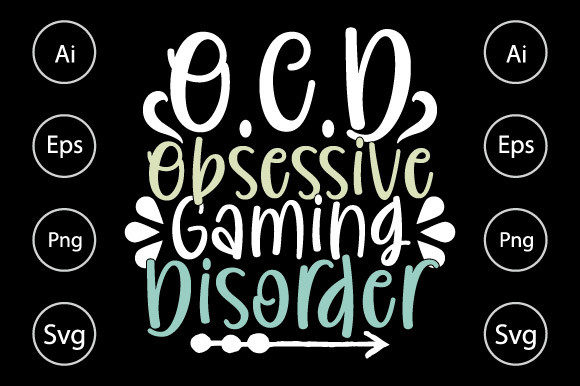
The immediate visual impression of Ocd Obsessive Gaming Disorder is one of high-energy relatability. It taps directly into the shared language of gamers, blending humor with a specific cultural touchstone. For an embroidery project, mood is everything. This design doesn't feel like a generic clip art image pasted onto a shirt; it feels like a statement piece intended for someone who lives inside their gaming setup. The layout suggests a bold, central focal point that demands attention, making it perfect for custom apparel where you want the wearer to say something immediately upon being seen.
Real-World Application: From Digital File to Finished Product
Let's walk through a practical scenario. Imagine you are preparing for a holiday gift season or restocking your Etsy shop. You decide to create a line of premium hoodies for a client who runs a small gaming community. You select Ocd Obsessive Gaming Disorder as the centerpiece. How does it translate? In theory, the text-heavy nature of the design requires careful consideration of stitch density and thread contrast. If executed correctly on a heavy cotton blend hoodie, the design would pop with a professional finish that elevates the perceived value of the garment.
I also see this design thriving on non-apparel items. A tote bag made of canvas offers a sturdy surface that can handle the weight of a dense fill stitch without puckering. Placing Ocd Obsessive Gaming Disorder on a large tote creates a durable accessory that doubles as a marketing tool. Similarly, for baby items, such as a onesie or a soft blanket, the design adds a playful, modern twist to nursery decor. However, the scale matters immensely here. On a tiny baby hat, the same design might lose its legibility, so I would advise scaling it down significantly or focusing on a simplified icon version if available.
The versatility extends to home goods as well. Picture a kitchen towel embroidered with this motif hanging next to a coffee maker in a gamer's kitchen. Or perhaps a pillow cover for a dedicated gaming chair. These are the types of personalized gifts that sell because they speak directly to the recipient's identity. The design acts as a badge of honor, signaling that the owner understands the struggle and the joy of the hobby.
Navigating Technical Challenges and Fabric Choices
While the concept is strong, the execution of Ocd Obsessive Gaming Disorder depends heavily on the materials you choose. Not all fabrics are created equal, and some will fight against the design. If you attempt to embroider this on thin, stretchy fabric like a lightweight polyester jersey without proper stabilizer, the result will likely be distorted. The tension required for satin stitches or fill areas can cause the fabric to pucker, ruining the crispness of the lettering.
Textured fabrics present another hurdle. While a chunky knit sweater might look cozy, the uneven surface can make fine details disappear. For Ocd Obsessive Gaming Disorder, which likely relies on clear typography to deliver its message, a smooth-to-medium texture is ideal. Dark fabrics require a different strategy than light ones. If the background is black, you must ensure the thread colors chosen offer enough contrast to stand out. Sometimes, adding a tear-away or cut-away stabilizer underneath is crucial to prevent the design from sinking into the fabric, especially on thicker materials like sweatshirts.
Hoop size is another critical factor. Large designs need large hoops to maintain tension across the entire area. If you try to force a complex design into a small 4x4 hoop, the machine will have to reposition frequently, increasing the risk of misalignment. Always check the dimensions of the Ocd Obsessive Gaming Disorder file before committing to a specific project. If the design includes intricate corners or tiny lettering, these areas are prone to breaking threads or getting lost in the stitching process. Testing on scrap fabric is not just a suggestion; it is a necessity.
Impact on Brand Value and Customer Trust
In the world of handmade products and commercial embroidery, the quality of the design directly influences customer trust. A sloppy stitch job or a design that looks pixelated after digitization can damage a brand's reputation instantly. Ocd Obsessive Gaming Disorder, when done right, signals professionalism. It shows that the seller cares about the details and understands the nuances of the medium. This attention to detail encourages repeat business and positive reviews, which are the lifeblood of any Etsy seller or small shop product line.
Furthermore, the design's ability to resonate with a specific audience enhances engagement. Gamers are a passionate community. They appreciate designs that acknowledge their lifestyle with humor and accuracy. By using this design on a finished product, you aren't just selling a shirt; you are selling a sense of belonging. This emotional connection drives sales more effectively than generic patterns ever could.
However, there are areas where caution is required. Avoid using this design on products that require frequent washing, such as work aprons or children's clothes, unless you are certain about the durability of the stitches. High-density areas can trap dirt and wear down faster over time. Additionally, on curved surfaces like caps, the distortion of the design must be accounted for during the digitizing phase. If the original file isn't optimized for curvature, the text might appear stretched or warped on the final item.
Practical Notes for the Embroidery Designer
Before you start stitching, take a moment to review the technical specifications provided in the download. The package includes various formats like AI, EPS, PNG, and SVG, which is excellent for flexibility. Ensure you verify the stitch count and recommended hoop sizes for each format. If the file is a digital embroidery file, check the stitch density settings. Too much density can make the fabric stiff and uncomfortable, while too little can leave gaps in the color coverage.
Always test the design on a scrap piece of the actual fabric you intend to use. This allows you to adjust thread colors and tension settings before working on a valuable customer order. Check the design in black and white mockups to ensure the contrast works visually, even if the colors change. Confirm whether the licensing terms allow for commercial use if you plan to sell finished items. Many designers overlook this step, leading to potential legal issues down the line.
Finally, consider the overall aesthetic of your collection. Does Ocd Obsessive Gaming Disorder fit with your other designs? Consistency in style helps build a cohesive brand identity. Whether you are creating a custom apparel line, a series of embroidered patches, or digital assets for printable mockups, this design has the potential to be a standout piece. Just remember that success lies in the preparation and the care taken during the stitching process. With the right approach, Ocd Obsessive Gaming Disorder can transform from a simple digital file into a cherished part of a customer's wardrobe or home decor.